Beginners Guide to Sports Cards
Updated: Apr 1
The world of sports card trading has evolved dramatically over the past few years. Once considered a niche hobby, it has transformed into a lucrative market where savvy traders can maximize their return on investment (ROI). Whether you are a seasoned collector or just starting, understanding the strategies that can enhance your trading experience is essential. In this blog post, we will explore effective methods to maximize your ROI in sports card trading.
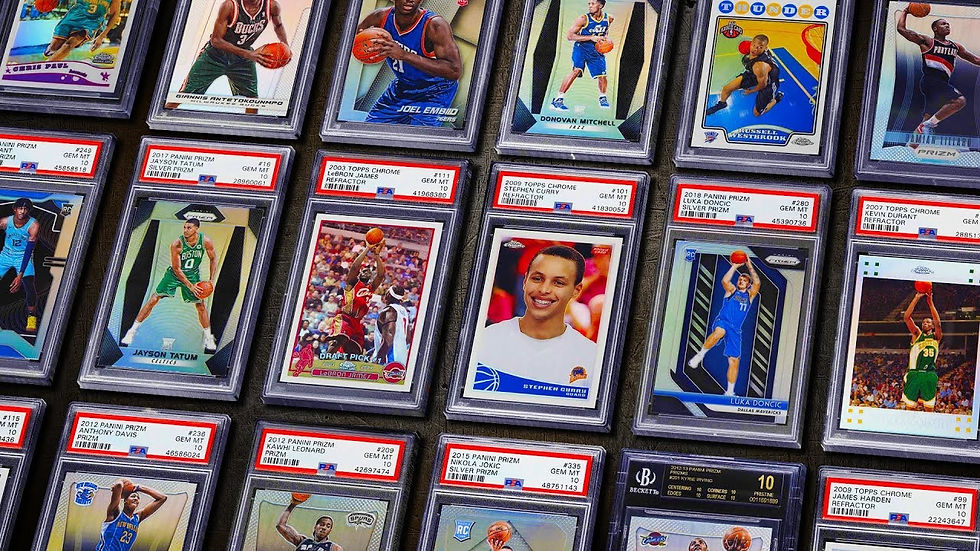
Understanding the Market
Before diving into trading strategies, it is crucial to understand the current state of the sports card market. The resurgence in popularity has been fueled by several factors:
Increased Interest: The pandemic led many people to revisit childhood hobbies, including card collecting.
Digital Platforms: Online marketplaces and social media have made it easier to buy, sell, and trade cards.
Investment Potential: High-profile sales of rare cards have caught the attention of investors, drawing more people into the market.
Researching Card Values
To maximize ROI, you need to be informed about the value of the cards you are trading. Here are some tips for effective research:
Use Price Guides: Marketplaces like CardLadder and eBay can provide insights into current market values.
Follow Trends: Keep an eye on which players or sets are gaining popularity. For example, players who have made recent accomplishments or strides can often see a jump in their card values.
Join Communities: Engage with fellow collectors on forums and social media groups. They can provide valuable insights and tips.
Building a Strong Collection
A well-curated collection is the foundation of successful trading. Here are some strategies to build a strong collection:
Focus on Key Players
Investing in cards of key players can yield high returns. Look for:
Rookies: Rookie cards of promising players can appreciate significantly over time.
Autographs, patches: Certain sports cards contain unique futures such as player jersey patches within the cards, or even autographs from the player.
Limited Editions: Cards that are part of limited runs or special releases tend to be more valuable.
Diversify Your Collection
While focusing on key players is important, diversifying your collection can protect against market fluctuations. Consider:
Different Sports: Don’t limit yourself to one sport. Explore the different sports the hobby has to offer.
Variety of Sets: Collect cards from various sets and manufacturers to appeal to a broader audience.
Trading Strategies
Once you have built a solid collection, it’s time to implement effective trading strategies. Here are some methods to consider:
Timing Your Trades
Timing can significantly impact your ROI. Here are some tips:
Sell When Demand is High: Monitor player performance and sell cards when they are in the spotlight, such as during playoffs or after a standout game.
Avoid Selling in a Down Market: If the market is saturated or a player is underperforming, it might be wise to hold onto your cards until conditions improve.
Negotiation Skills
Effective negotiation can lead to better trades. Here are some techniques:
Have background knowledge: Do research on the card, and make sure you see recent sales in order to get the correct value of the card.
Build Relationships: Establishing relationships with other traders can lead to more favorable deals in the long run. Whether it's online, or at in person shows, having networking and relationships is always good.
Utilizing Technology
In today’s digital age, technology can be a powerful ally in sports card trading. Here are some tools to consider:
Online Marketplaces
Platforms like eBay, Fanatics Weekly, and Goldin auctions provide access to a vast audience of buyers and sellers. Utilize these platforms to:
List And Sell Your Cards: Create detailed listings with high-quality images and accurate descriptions.
Monitor Sales: Track sales trends to adjust your pricing strategy accordingly.
Mobile Apps
Several mobile apps can help you manage your collection and track values. Some popular options include:
Card Ladder: This app provides real-time sales, a way to store your collection digitally and get daily updates on it, as well as recent player and card trends.
Networking and Community Engagement
Building a network within the sports card community can provide valuable insights and opportunities. Here are some ways to engage:
Attend Card Shows
Card shows are excellent venues for networking and trading. Here’s what to do:
Bring Your Best Cards: Showcase your collection to attract potential trades.
Engage with Other Collectors: Share tips and experiences with fellow traders.
Join Online Forums
Participating in online forums can help you stay informed and connected. Consider:
Discord: Discords such as BucketCardzLLC's server are great places to buy, sell, trade, and even just talk about all sorts of cards.
Facebook Groups: Join groups dedicated to specific sports or trading strategies.
Understanding Grading and Authentication
Grading and authentication play a crucial role in determining a card's value. Here’s what you need to know:
Card Grading
Cards are graded based on their condition, which can significantly impact their market value. Familiarize yourself with grading scales from reputable companies like PSA and BGS. Here are some key points:
Mint Condition: Cards in pristine condition fetch much higher prices.
Professional Grading: Consider having valuable cards professionally graded to enhance their value.
Conclusion
Maximizing ROI in sports card trading requires a combination of knowledge, strategy, and community engagement. By understanding the market, building a strong collection, utilizing technology, and honing your trading skills, you can enhance your trading experience and achieve greater returns.
As you embark on your trading journey, remember to stay informed and connected with fellow collectors. The world of sports card trading is not just about profit; it’s also about passion and community. Happy trading!


Comments