What makes a card valuable?
Updated: Apr 14
When you start collecting sports cards, one of the first things you notice is how prices can change quickly and sometimes unpredictably. Understanding what causes these price shifts, especially how a player's value affects their cards, can help you make smarter buying and selling decisions. This guide breaks down the key factors that influence sports card prices across all types, with real examples to help you grasp the concepts.
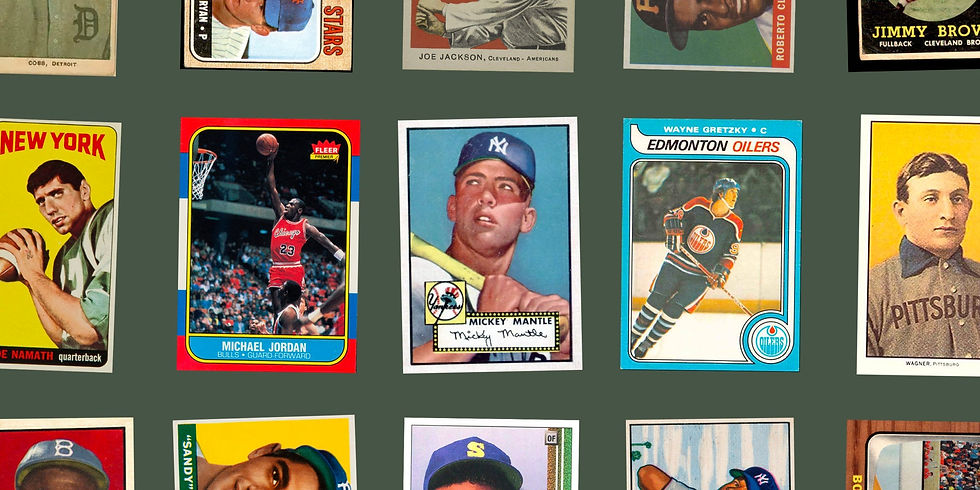
How Player Performance Drives Card Value
The most obvious factor affecting sports card prices is the player's performance. When a player excels, their cards often rise in value. Conversely, poor performance can cause prices to drop.
Breakout Seasons: When a player has a breakout year, collectors rush to buy their cards. For example, when Patrick Mahomes led the Kansas City Chiefs to a Super Bowl win and earned MVP honors, his rookie cards surged in price. Before his rise, some of his cards were affordable, but after his success, prices jumped significantly.
Slumps and Injuries: If a player struggles or gets injured, demand for their cards can fall. For instance, when NBA star Zion Williamson missed many games due to injury, his card prices softened as collectors hesitated.
Career Milestones: Achieving milestones like winning MVP, or winning a championship can boost a player's card value. When Shai Gilgeous-Alexander won the MVP, and the championship last year in the NBA, his prices quickly jumped.
The Impact of Player Popularity and Market Hype
Sometimes, a player’s popularity or hype can influence card prices even if their on-field performance is average.
Rising Stars and Top Draft Picks: Highly sought-after rookies often see their cards spike in value before they even play a professional game. For example, the hype around Victor Wembanyama before his NBA debut made his rookie cards very valuable.
Media Attention and Endorsements: Players who get a lot of media attention can see their card prices rise. Players such as Bronny James are an example of this.
Fan Base Size: Players with large, loyal fan bases tend to have more stable and sometimes higher card prices. Tom Brady’s cards have remained valuable partly because of his massive fan following.
How Supply and Scarcity Affect Prices
The number of cards available plays a huge role in price changes. Scarcity often drives prices up, while oversupply can push them down.
Limited Editions and Autographed Cards: Cards that are limited in number or signed by the player usually command higher prices. A limited print of Lebron James' autographed rookie card is far more valuable than a common card.
Print Runs and Reprints: If a card is reprinted or produced in large quantities, its value may drop. For example, some popular cards lose value when manufacturers release similar versions in large numbers.
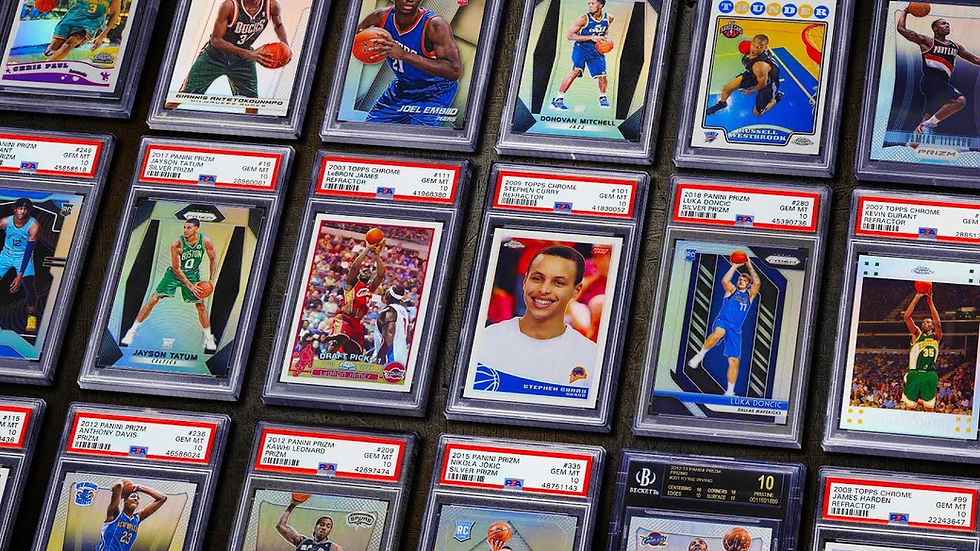
Condition and Grading: Cards graded highly by professional services like PSA or Beckett tend to fetch higher prices. A mint-condition card graded PSA 10 can sell for many times more than the same card in poor, or even ungraded condition.
External Events That Influence Player Value
Sometimes, events outside the game affect player value and card prices.
Trades and Team Changes: When a player moves to a new team, their card prices can shift. For example, when Luka Doncic was traded to the Lakers, his card prices saw renewed interest due to the fresh storyline, and different fanbases.
Off-Field Controversies: Negative news about a player can hurt their card prices. Scandals or legal issues often cause collectors to shy away.
Market Trends and Economic Factors
The sports card market itself goes through cycles that affect prices.
Bull and Bear Markets: Like stocks, sports cards experience periods of rising and falling prices. The surge in card collecting during the 2020 pandemic caused many prices to spike, but some have since cooled off.
Economic Conditions: When the economy is strong, collectors may spend more on cards. During downturns, prices often drop as collectors tighten budgets.
New Collectors Entering the Market: An influx of new collectors can drive demand and prices up. The rise of online marketplaces has made it easier for beginners to join, impacting prices.
Specific Examples of Player Value Changes
Shohei Ohtani: His unique two-way playing ability in MLB has made his cards highly valuable. When he won the MVP award in 2021, his card prices soared.
Tom Brady: His retirement announcement in early 2023 caused a spike in his card prices as collectors rushed to buy before potential scarcity increased.
Ja Morant: After a strong NBA season and All-Star appearance, his rookie cards saw a notable price increase.
Tips for Beginners to Track Player Value Changes
Follow Player News: Stay updated on player performance, injuries, and trades through sports news.
Watch Marketplaces: Check prices on platforms like eBay, Card Ladder, or Alt to see trends and sales.
Understand Card Grades: Learn how grading affects value and look for high-grade cards, or poteintal ungraded cards you cans send to grade yourself.
Be Patient: Prices can fluctuate, so avoid rushing to buy or sell based on short-term changes.
Diversify Your Collection: Don’t put all your money into one player or card type.
Tracking these factors will help you better understand why sports card prices change and how player value plays a central role.

Comments